Retention Wall Installation in Honolulu, HI
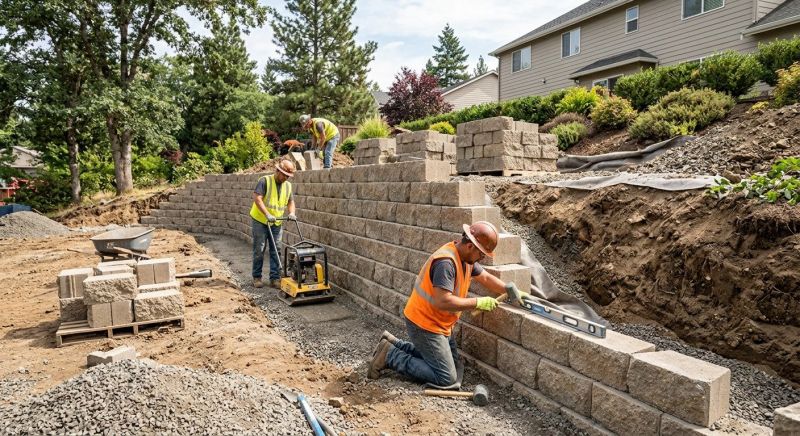
Retention wall installation services involve constructing durable structures designed to hold back soil and prevent erosion on residential properties. These walls are commonly used in landscaping projects such as creating level terraces, managing slopes, or defining garden beds. Property owners often request these services when they want to improve the stability of uneven terrain, enhance outdoor aesthetics, or create functional outdoor living spaces. Before requesting a retention wall, it’s helpful to consider factors like the type of soil, the height and length of the wall needed, and the overall drainage requirements to ensure the structure is safe and effective.
Homeowners should understand that retention walls can be built using various materials, including concrete, stone, or timber, each suited to different styles and budgets. It's also important to evaluate the specific site conditions, such as the presence of underground utilities or existing structures, which can influence the design and installation process. Proper planning ensures the retention wall not only supports the landscape but also complements the property's overall appearance. Contacting a professional can provide guidance on suitable materials, design options, and considerations for long-term stability.
Many property owners in Honolulu, HI look into Retention Wall Installation for repairs, replacements, upgrades, and appearance-related improvements.
Enhance Landscape Stability
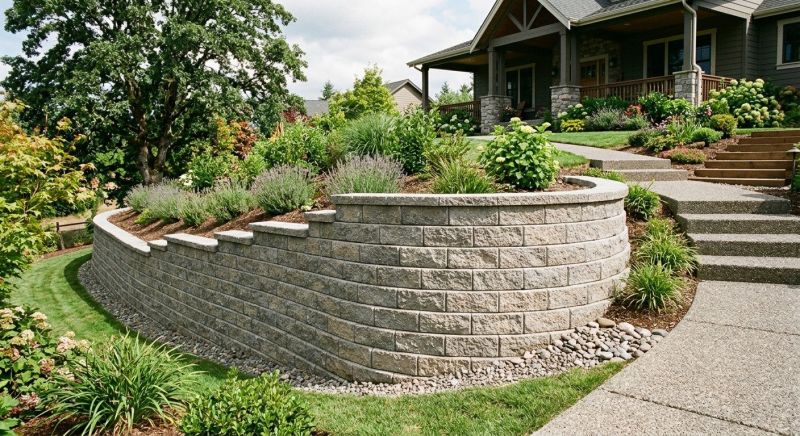
Retention walls help prevent soil erosion and protect your landscape in honolulu's varied terrain.
Create Functional Outdoor Spaces
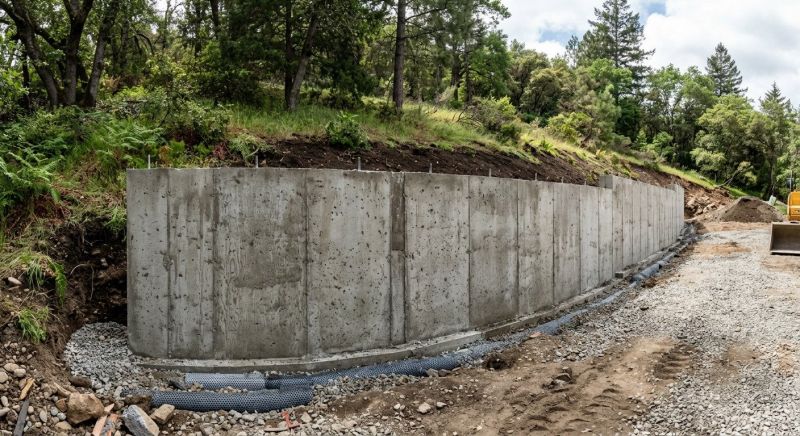
Installing a retention wall can define levels and expand usable areas for gardens, patios, or walkways.
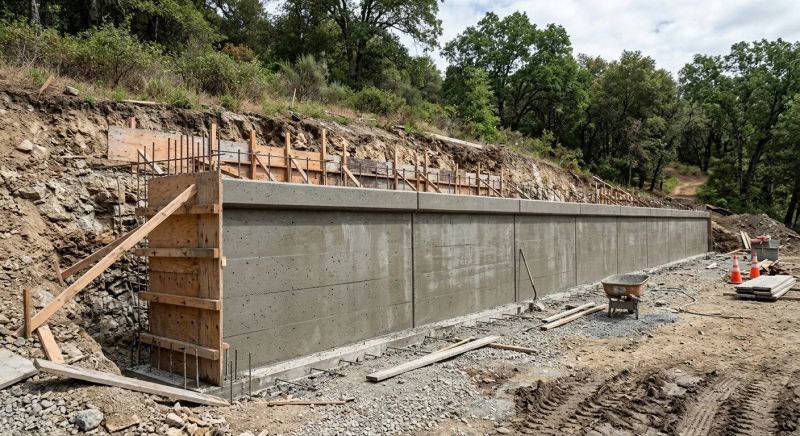
Improve Property Value And Aesthetics
A well-constructed retention wall adds visual appeal and can increase the overall value of your property.
Retention Wall Installation in Honolulu, HI

Retention wall installation services involve constructing durable structures designed to hold back soil and prevent erosion on residential properties. These walls are commonly used in landscaping projects such as creating level terraces, managing slopes, or defining garden beds. Property owners often request these services when they want to improve the stability of uneven terrain, enhance outdoor aesthetics, or create functional outdoor living spaces. Before requesting a retention wall, it’s helpful to consider factors like the type of soil, the height and length of the wall needed, and the overall drainage requirements to ensure the structure is safe and effective.
Homeowners should understand that retention walls can be built using various materials, including concrete, stone, or timber, each suited to different styles and budgets. It's also important to evaluate the specific site conditions, such as the presence of underground utilities or existing structures, which can influence the design and installation process. Proper planning ensures the retention wall not only supports the landscape but also complements the property's overall appearance. Contacting a professional can provide guidance on suitable materials, design options, and considerations for long-term stability.
Many property owners in Honolulu, HI look into Retention Wall Installation for repairs, replacements, upgrades, and appearance-related improvements.
Common Retention Wall Installation Jobs
Gravity Retaining Walls - designed to hold back soil on sloped landscapes for stability.
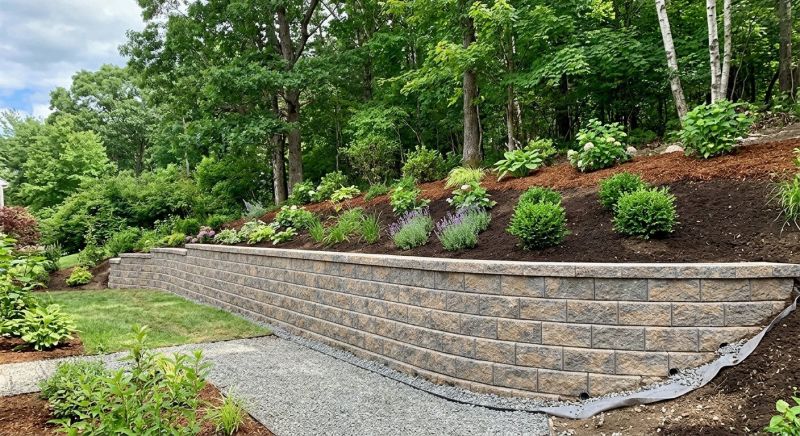
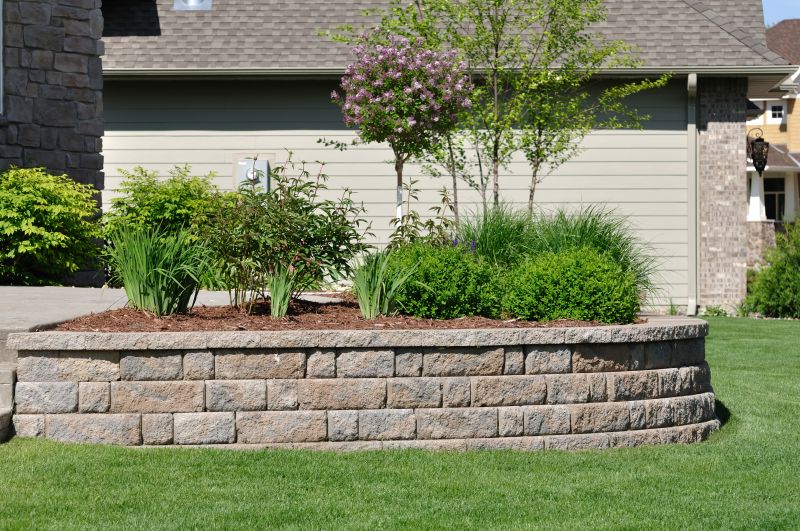
Segmented Block Walls - add visual appeal while providing durable soil retention.
Concrete Retaining Walls - offer strong support for large or heavy landscape features.
Gabion Walls - combine wire cages and stones for a natural, functional look.
Natural Stone Walls - enhance outdoor aesthetics with timeless, durable materials.
Terraced Wall Systems - create level areas on uneven terrain for gardening or seating.
Retention Wall Installation Questions
What types of projects are suitable for retention wall installation? Retention walls are ideal for hillside landscaping, garden terracing, and preventing soil erosion on sloped properties.
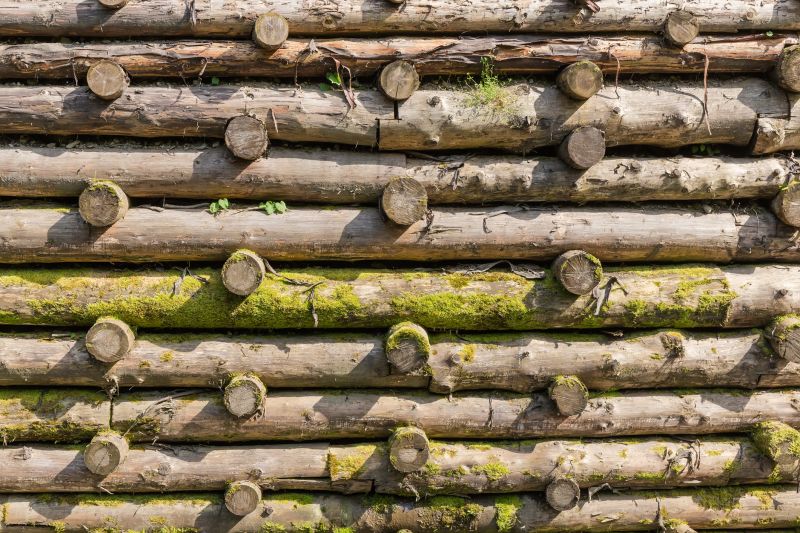
What materials are commonly used for retention walls? Common materials include concrete blocks, natural stone, and timber, each offering different aesthetic and structural options.
How does a retention wall benefit property stability? A retention wall provides support to soil, helping to prevent landslides and manage uneven terrain effectively.
What should property owners consider before installation? It's important to assess the slope, soil type, and drainage needs to ensure a durable and effective retention wall design.
Request Retention Wall Installation in Honolulu, HI
Use the quote form on this page to share the basics of your project and request more information for the type of work you need.